|
|
|
| |
| |
|
What's New in Indigenous Initiatives
|
![What's New in Indigenous Initiatives]() |
|
|
|
|
|
|
|
We hope that your 2025 has started out on a good note. Although many of us may be feeling more uncertainty going into the new year than in previous years, seeking connections with others can help ground us. Our team's upcoming events are great opportunities to meet new folks and re-connect with others, in particular the
Virtual Coffee Hours. We hope to see you soon!
|
| |
|
|
|
|
What's New in Indigenous Initiatives
- Upcoming Events
- Kinship Corner
- Across Our Desks
|
| |
|
|
|
|
|
|
|
|
|
|
The Indigenous Mental Health and Wellbeing (IMHW) team, which is part of UBC Counselling Services, was developed out of a need for resource and counselling support for Indigenous students. The team draws from Two-Eyed Seeing approaches, inclusive of Western clinical/professional training and Indigenous knowledges, teachings, and practices. Join Hali and Kim for an introduction to IMHW services and the ways that mental health and wellbeing issues commonly emerge in the classroom.
Date: January 30, 2025
Time: 10:30am - 12:00pm
Location: Zoom
Register
|
| |
|
|
|
|
Join CTLT Indigenous Initiatives team members Paulina Semenec, Educational and Evaluation Consultant, and Samantha Nock, Educational Consultant, Campus and Classroom Climate, as they explore research and evaluation in teaching and learning contexts at UBC. In this 90 min. workshop, participants will be introduced to anti-colonial evaluation methods in order to better understand (and creatively work against) institutional conceptions of time and space. This workshop will be of particular interest to anyone at UBC who is involved in research/evaluation and would like to learn more about how to bring a decolonial lens to their work.
Date: February 25, 2025
Time: 2:00pm - 3:30pm
Location: Irving K. Barber Learning Center, Room
2.22
Register
|
| |
|
|
|
We welcome you to attend one of CTLT Indigenous Initiatives‘ monthly Virtual Coffee Hours. They are an informal space to connect with consultants on the team and other colleagues across the university. Some common topics that come up include:
- Professional development plans for individuals, teams, and departments
- Engaging with the Indigenous Strategic Plan
- Fostering a respectful classroom and campus climate
- Connecting with a network of people across the university
- Locating relevant resources
- Meaningful land acknowledgements
…and more! Upcoming Dates:
- January 21, 2025
- February 26, 2025
- March 27, 2025
Register
|
|
|
|
|
|
|
|
|
This section of our newsletter is for the Indigenous community at UBC, and beyond, to share heart filling spaces and news. For non-Indigenous allies, we encourage you to always double check if events in this section are specifically for Indigenous community before RSVP-ing.
|
| |
|
|
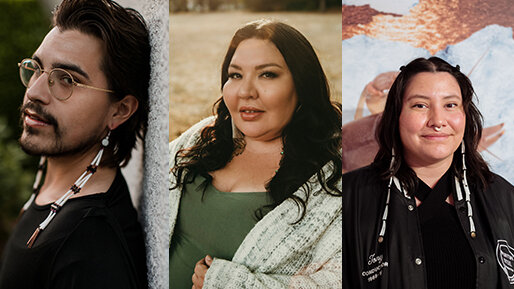 Learn More | On Indigenous Joy: A Reading with Joshua Whitehead, Tenille Campbell and Kaitlyn Purcell Joshua Whitehead (Oji-Cree), Tenille Campbell (Dene/Métis), and Kaitlyn Purcell (Dënésułıné) will read from their recent work and discuss the role of joy in Indigenous literatures.
Date: January 20, 2025
Time: 2:00pm - 3:00pm
Location: Online
|
| |
|
|
|
|
|
|
Art as Indigenous Pedagogy Join the UBC Public Humanities Hub (PHH) and Vancouver Art Gallery (VAG) on January 30th, 2025 for “Art as Indigenous Pedagogy”, featuring artist and filmmaker Shelley Niro and Indigenous Art Education expert and UBC faculty member, Dr. Shannon Leddy. This program coincides with the
exhibition, Shelley Niro: 500 Year Itch, the first major retrospective of Shelley Niro‘s work. Date: January 30, 2025 Time: 5:00pm - 8:00pm Location: Vancouver Art Gallery, 750 Hornby Street
Learn More
|
| |
|
|
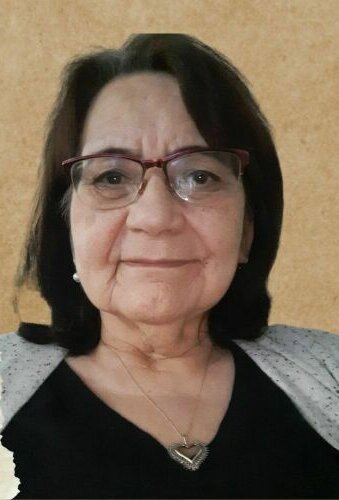 Learn More | To Bear Witness: A Meaningful Conversation with my Mom on Belonging and Perseverance In this Indigenous Speakers Series session, we will bear witness to a meaningful conversation between Derek Thompson – Čaabať Bookwilla | Suhiltun, Director of Indigenous Engagement at the Faculty of Medicine, and his mom, Maude Thompson. Maude is a First Nations Haisla woman, a Survivor of the Indian residential school experience, and a thoughtful and generous human being. She is a Mom, a Grandmother, a Great-Grandmother, an Auntie, a Sister, a Daughter, and a woman who has persevered in the face of incredible hardship. For nearly 40 years, Maude has served as a cook for the Tsow-tun Le Lum Society – Substance Use and Trauma Treatment Centre providing nourishment, love, support, care, and inspiration to thousands of First Nations and Indigenous people. In the session, you will
learn about a unique perspective between a mother and her son regarding the processes of truth and reconciliation.
Date: April 23, 2025
Time: 12:00pm - 2:00pm
Location: Online
|
| |
|
|
Why is it so hard to type in Indigenous languages? When it comes
to digital access and internet technologies, some languages are still more equal than others. Speakers
of majority languages, who type in English or text in Korean, assume their message will be transmitted accurately. But Indigenous language communities don‘t share this same
confidence. Continue reading for a full article on this topic by Mark Turin and N̓a̓ṇ̓gáinúx̌v - Robyn Humchitt.
Learn More
|
| |
|
|
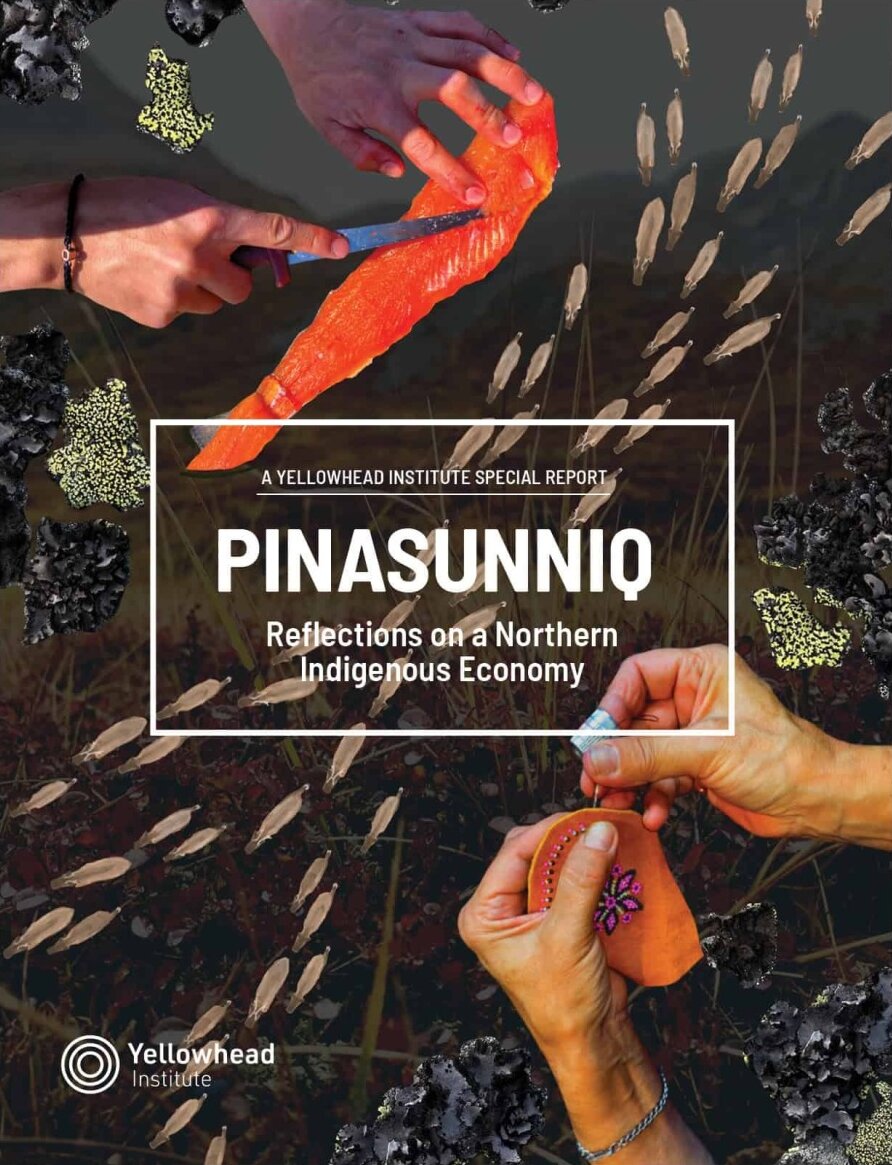 Learn More | Pinasunniq: Reflections on a Northern Indigenous Economy This report from the Yellowhead Institute offers a vision of Inuit economic self-determination. It challenges the “common sense” Northern economic models that have historically excluded Inuit voices and continue to erase Inuit economic activity. Through economic analysis, narrative, and advocacy, the report asks critical questions about the benefits of government-led policy and approaches of industry. In contrast, it offers examples of Inuit-centered economic frameworks in practice today that prioritize sustainability, reciprocity, and care.
|
| |
|
|
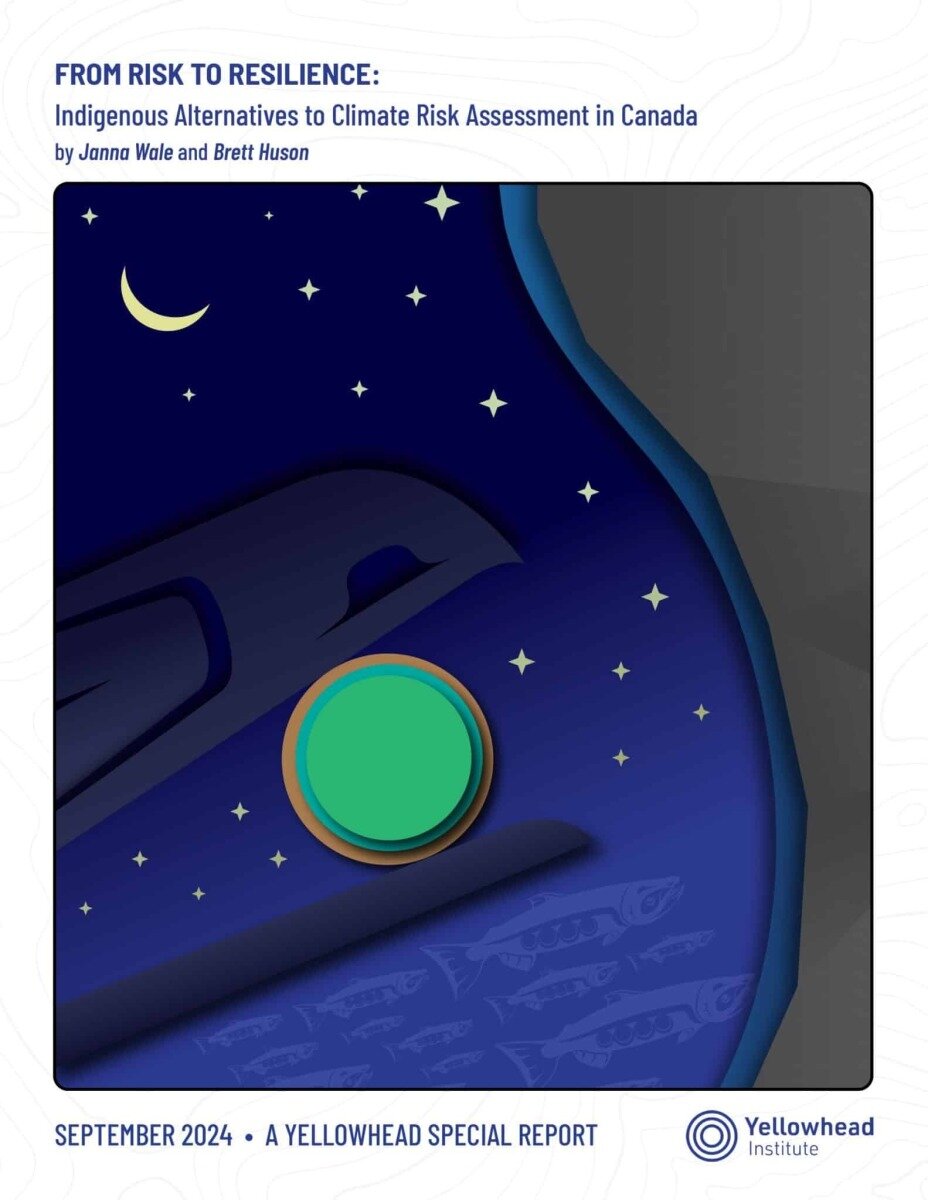 Learn More | From Risk to Resilience: Indigenous Alternatives to Climate Risk Assessment in Canada Canada‘s current provincial and national risk assessment frameworks focus predominantly on the built environment and infrastructure, neglecting the more extensive social-ecological system. is narrow focus fails to capture the full extent of climate risks or contexts, particularly those affecting Indigenous communities, and excludes the social and political structures that compound risk within Indigenous communities.
|
| |
|
|
 Learn More | Okanagan-raised filmmaker explores underwater worlds in Indigenous series Arriving to small screens across Canada Thursday, Jan. 9,
Water Worlds is Canada's first-ever Indigenous underwater exploration documentary series. Produced by a B.C.-based Indie production company, the series will air on APTN with new episodes weekly. The series will air in both English and Cree and will be available to stream on APTN Lumi starting Jan. 9.
|
| |
|
|
Fish weirs are still banned under the Fisheries Act. This First Nation wants to build a new one Sumas First Nation is trying to construct a fish weir on its traditional territory in B.C.‘s Fraser Valley, in the face of environmental and bureaucratic obstacles. They are doing so in partnership with the Centre for Indigenous Fisheries at the University of British Columbia. Fish weirs, a traditional freshwater fishing technology designed for shallow, slow-moving streams, were used by Indigenous communities as a sustainable fishing method for thousands of years prior to colonization.
Learn More
|
| |
|
| |
|
|
See you in February!
|
|
|
Indigenous Initiatives at Centre for Teaching, Learning and Technology The University of British
Columbia, xʷməθkʷəy̓əm (Musqueam) Traditional Territory Irving K. Barber Learning Centre 217 – 1961 East Mall, Vancouver, CA V6T1Z1 Visit our website
at http://indigenousinitiatives.ctlt.ubc.ca/
|
|
|
|
|
|
|
|
| |
|